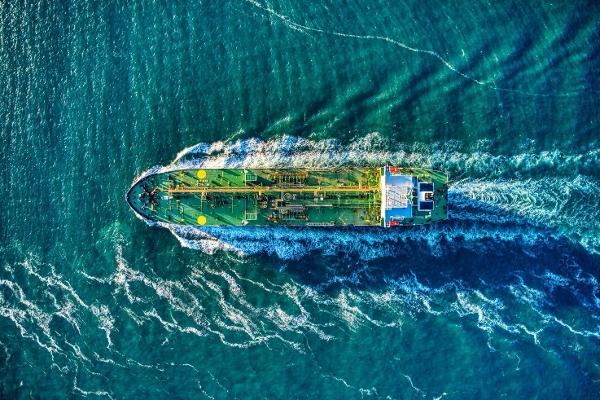
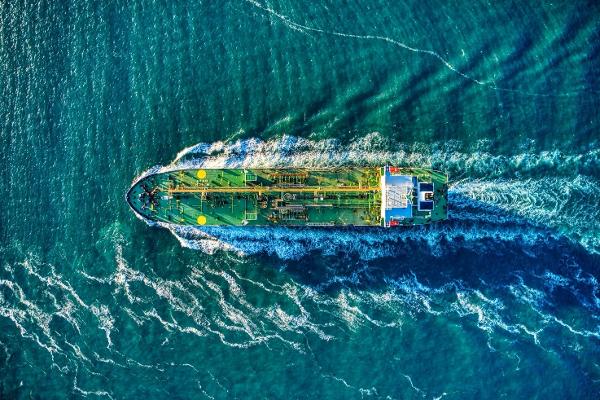
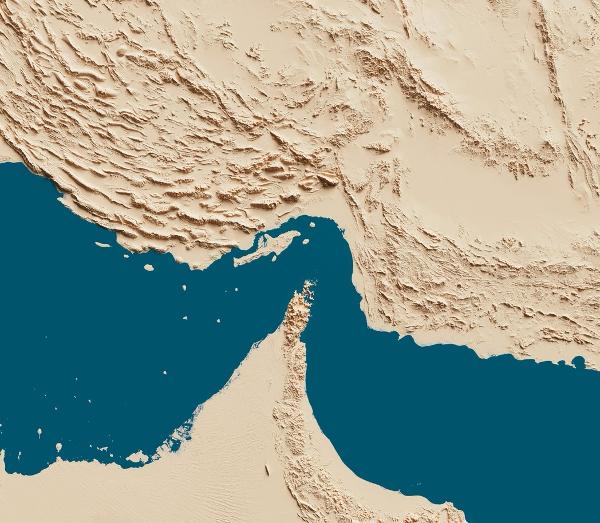
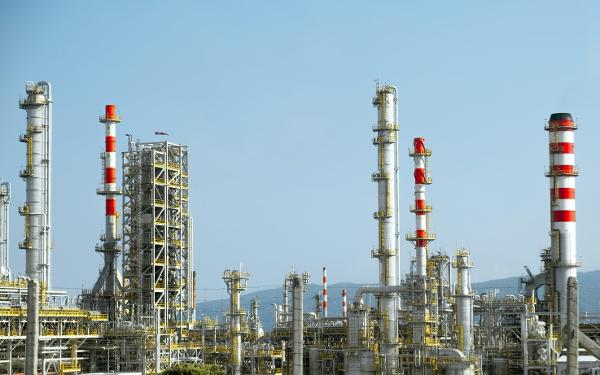
The Strait of Hormuz is no longer fully blocked for LNG tankers, with a handful of cargoes having been exported east from the Gulf. However, we do not yet expect a full restart of the lost LNG production from Qatar and the UAE that makes up around 20% of the world’s LNG capacity. The vital shipping route has never been entirely shut to traffic. Throughout the crisis that began with US strikes on Iran on 28 February, some vessels have made crossings of the strait.
Lo Stretto di Hormuz non è più completamente bloccato e qualche metaniera, poche, è riuscita ad attraversarlo. Tuttavia, non ci aspettiamo ancora una ripresa completa della produzione di GNL persa da Qatar ed Emirati Arabi Uniti, che rappresenta circa il 20% della capacità mondiale di GNL. In questa vicenda merita rilevare un dato importante: questa vitale rotta marittima non è mai stata completamente chiusa al traffico.
Europe has taken a greater share of the LNG market this year as it raised its prices to divert cargoes away from Asia to ensure steady injections into gas storage facilities after a colder winter. Europe, including the UK and Turkey, took in 32% of global LNG imports during January-May 2025, up five points from January-May 2024, when the region received 27% of deliveries.
I primi mesi del 2025, relativamente al mercato del GNL, sono stati caratterizzati da dinamiche diverse rispetto a quanto verificatosi l’anno prima. L'Europa si è accaparrata una quota maggiore di GNL, aumentando i prezzi per dirottare i carichi dall'Asia e garantire iniezioni costanti negli impianti di stoccaggio dopo un inverno più freddo. Il Vecchio Continente, inclusi Regno Unito e Turchia, tra gennaio-maggio 2025 ha assorbito il 32% delle importazioni globali di GNL, con un aumento di cinque punti percentuali rispetto al pari periodo 2024.
The route for LNG traffic through the Red Sea is becoming increasingly uncertain, after Qatar, the biggest user of the route for LNG cargoes in 2023, paused from sending its ships via the Red Sea. During the weekend of 13-14 January, the Middle Eastern producer halted ships that had been heading through the Red Sea towards the Bab al-Mandab strait at the bottom of the sea. Three laden tankers that were heading west to Europe paused to wait by Oman: the Al Ghariya, Al Huwaila and Al Nuaman.
La rotta del Mar Rosso dedicata al transito delle metaniere sta diventando sempre più incerta, dopo che il Qatar, confermatosi l’anno scorso il principale utilizzatore di questa rotta per i carichi di GNL, ha sospeso l’invio delle sue navi. Nel fine settimana del 13 e 14 gennaio, il produttore mediorientale ha fermato le navi che attraversavano il Mar Rosso attraverso lo stretto di Bab al-Mandab, in mezzo al mare.