In 2024, the world experienced a turning point in the climate crisis: for the first time on record, the global average near-surface temperature exceeded 1.5°C above pre-industrial levels, reaching 1.55°C ± 0.13°C. This is a signal of a planet entering uncharted territory. The World Meteorological Organization’s (WMO) State of the Global Climate 2024 report offers a sobering scientific account of this moment, drawing on multiple lines of observational evidence to paint a detailed and urgent picture of a world increasingly shaped by human-induced climate change.
This annual flagship publication serves as a key input to global climate negotiations and policy discussions, providing the authoritative voice of the scientific community on the evolving climate system. The 2024 edition is perhaps the most consequential to date. It confirms what climate models have long predicted: without immediate and transformative action, the planet will not only breach key warming thresholds, but also suffer cascading impacts across ecosystems, economies, and societies.
The report confirms that 2024 was the warmest year in the 175-year instrumental record, surpassing the previous high set just a year earlier, in 2023. This marks a continuation of a disturbing trend: each of the last ten years (2015–2024) has been among the ten warmest on record. The persistent warming is a direct consequence of greenhouse gas emissions from burning fossil fuels, deforestation, and unsustainable land use.
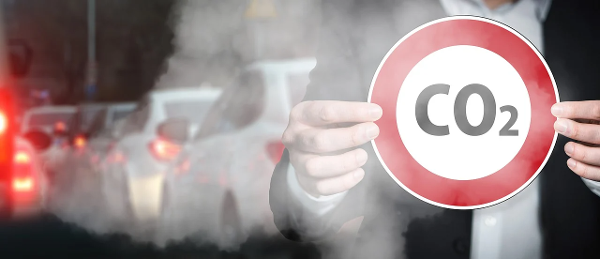
The warming signal is amplified by a strong El Niño event that developed in mid-2023 and peaked in early 2024. While El Niño events naturally elevate global temperatures, the 2024 anomaly cannot be explained by natural variability alone. The report notes that the underlying warming trend—driven by record concentrations of carbon dioxide (CO₂), methane (CH₄), and nitrous oxide (N₂O)—is the principal force behind the temperature extremes.
In 2023, CO₂ concentrations reached 420.0 ppm, the highest level in at least 800,000 years, and continued to rise in 2024. Methane and nitrous oxide also hit new highs, increasing atmospheric radiative forcing and accelerating planetary heating. These levels represent 151% (CO₂), 265% (CH₄), and 125% (N₂O) of pre-industrial concentrations, highlighting the scale of human interference with the Earth’s atmosphere.
The oceans, which absorb more than 90% of the excess heat trapped by greenhouse gases, continued to warm in 2024. The global ocean heat content reached the highest level ever recorded, breaking the previous record for the eighth consecutive year. This increase in stored heat is a strong indication that the planet is in energy imbalance, absorbing more solar radiation than it emits back to space.
Ocean warming is not just a remote environmental issue; it has profound consequences:
- It fuels more intense tropical cyclones and extreme rainfall.
- It contributes to marine heatwaves, devastating coral reefs and fisheries.
- It raises sea levels, already at a record high in 2024 and rising at an accelerated rate (now 4.7 mm/year, more than double the rate in the 1990s).
Sea-level rise is now irreversible on centennial to millennial timescales, as warming oceans expand and glaciers continue to melt. The melting cryosphere also affects global weather patterns, freshwater availability, and geopolitical stability in glacier-dependent regions.
The report highlights continued and alarming retreat of the world’s glaciers. Preliminary data suggest that 2023/2024 represents the most negative glacier mass balance year ever recorded, particularly in the Alps, Scandinavia, and the tropical Andes. The three-year period from 2021 to 2024 is the worst on record for glacier loss—confirming that warming is accelerating ice melt at an unprecedented pace.
Similarly, sea-ice extent in both the Arctic and Antarctic remained well below average. The Antarctic minimum extent tied for the second-lowest ever recorded, marking three consecutive years below 2 million km²—a level once considered unlikely even in worst-case scenarios.
The report documents the real-world impacts of extreme weather and climate variability in 2024, including a record number of climate-induced displacements. Floods, droughts, heatwaves, and tropical storms led to the highest number of new displacements since 2008, disproportionately affecting fragile and conflict-affected regions.
Among the most tragic events:
- Cyclone Chido devastated Mozambique and Mayotte.
- Hurricanes Helene and Milton caused massive flooding and over 200 deaths in the United States.
- A heatwave during the Hajj pilgrimage in Saudi Arabia led to hundreds of heat-related deaths.
- Wildfires in Chile killed more than 300 people—among the deadliest globally this century.
These events are not outliers. They are part of a new climate reality where extreme events become more frequent, more intense, and more costly.
What Does This Mean for the Paris Agreement? Crossing the 1.5°C threshold in 2024 does not yet constitute a breach of the Paris Agreement, which is defined by multi-decade averages of global warming. However, the milestone is a clear warning. WMO estimates suggest current long-term warming stands at 1.34–1.41°C, depending on the method used. This is dangerously close to the 1.5°C limit that scientists say is critical to minimizing irreversible damage.
The implications are clear: every fraction of a degree matters, and delay makes the pathway to climate stability narrower and more costly. Even if we peak emissions soon, warming will continue for decades due to the inertia of the Earth system. This makes adaptation, resilience, and risk reduction just as essential as mitigation.
Implications for the Energy Sector
The energy sector is both a driver of the crisis and a linchpin of the solution. The 2024 report underscores multiple ways the changing climate affects energy systems:
- Hydropower under pressure: Droughts in Southern Africa and South America disrupted hydroelectric generation, exposing the vulnerability of energy systems to water scarcity. Regions like Zambia and Brazil saw drops in output, with cascading effects on power availability and pricing.
- Thermal power plant disruptions: Heatwaves and water stress limited cooling capacity for coal and nuclear plants, leading to efficiency losses and even shutdowns.
- Renewable energy potential: While solar potential increases under clear skies, prolonged heat and wildfires can damage infrastructure and reduce panel efficiency. Wind power can also be affected by shifting pressure systems and seasonal patterns.
- Grid reliability: Extreme heatwaves and storms increase energy demand (especially for cooling) while stressing infrastructure. In many regions, grid failures became more frequent due to overloading, extreme weather, or both.
- Investment signals: The report reinforces the urgent need to decarbonize power systems. Investments in resilient, distributed, and low-carbon energy infrastructure are no longer a matter of climate ambition, they are critical for energy security.
The WMO calls for greater integration of climate risk into energy planning. This means coupling early warning systems with energy demand forecasting, integrating climate models into infrastructure design, and aligning public and private finance toward low-carbon transitions.
The Climate Clock Is Ticking
We are living through the consequences of decades of delayed action. But we also hold the tools, technologies, and knowledge to change course.
To preserve a liveable planet, meet development goals, and safeguard the resilience of energy systems, climate action must become the foundation of every sector’s strategy, not an afterthought. As this year’s report makes clear, further delay is no longer an option