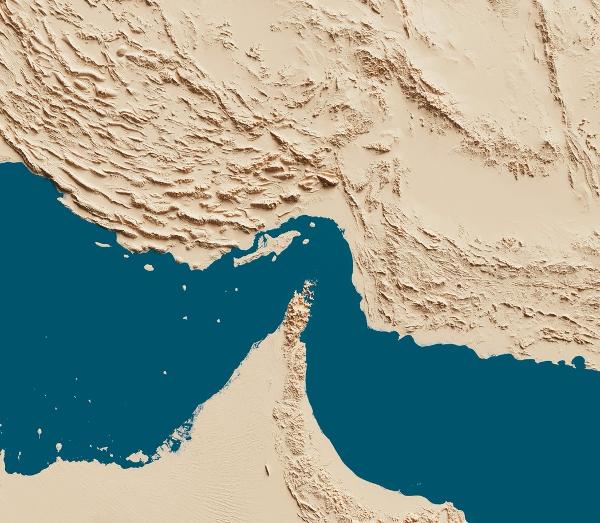

This year has seen unprecedented upheaval in the energy world. The disruption to energy flows through the Strait of Hormuz is the largest energy supply shock the world has ever faced. Cumulative losses from the Gulf amount to 2.8 billion barrels of oil and 60 billion cubic metres of natural gas. Risks affecting transit through the Red Sea and disruptions to Russian supply have heightened the market impacts, and diesel prices have hit record levels. Increasingly, it falls to consumers to absorb the impact, with three-quarters of the world’s population living in oil- and gas-importing countries, and developing economies in Asia and Africa among those hit hardest.
The crisis compounds a broader fragility in energy markets, amid geopolitical tensions, rising climate risks and increasing cyberattacks. Energy geopolitics are fracturing, with trust in short supply and trade restrictions on the rise. Since the 1970s, energy shocks have left lasting marks, and the longer this crisis lasts, the deeper its impact will be. Amid many possible energy futures, the central question addressed in the latest World Energy Outlook (WEO) from the International Energy Agency (IEA) is how this crisis might reshape policy preferences, risk perceptions and the future energy mix. With no single answer, the WEO examines multiple scenarios and cases. A longer crisis could result in broader policy and market responses, and this WEO considers an Additional Response Case (ARC) which explores additional actions under consideration by governments. The Low Hormuz Case (LHC) asks if the energy world could cope without transit through the Strait.
One common trend across all scenarios and cases is the increase in demand for energy services. Rising incomes and growing population raise the need for services such as mobility, heating, cooling and computing power. Needs grow fastest in emerging and developing economies beyond China, led by India and Southeast Asia. Growth in demand for cooling in these regions is striking, with 85% of households exposed to high temperatures but less than 20% currently having an air conditioner. While the underlying need for energy services is broadly similar across scenarios and cases, they differ, sometimes sharply, in the fuels and technologies used to meet these needs.
Responses to the 2026 crisis vary across countries, but three themes recur: a reinforcement of diversification as a key policy priority; a strengthened preference for domestically available resources; and a push for faster electrification.
Diversification is the first golden rule of energy security. It will not be quick or easy to manage without oil shipments through the Strait of Hormuz. Around 7 mb/d of new pipeline projects are under construction or consideration to help bypass the Strait. If all are completed, and if non-Gulf producers raise output and importers cut demand, the LHC sees the need for transit through the Strait fall to 2 mb/d by 2035. Even then, the Middle East remains the largest exporter of oil to world markets, underlining the centrality of supplies from this region. Gulf exports of liquefied natural gas (LNG) have no feasible bypass routes. The importance of diversification extends much further, encompassing other chokepoints, such as the Strait of Malacca, and clean technology manufacturing and critical minerals: China is the dominant refiner for 19 out of 20 energy-related strategic minerals.
A stronger shift towards domestically available resources is bolstering support for renewables. Already the power sector technologies of choice in many regions, renewables grow strongly in all scenarios, from a 33% share of electricity generation today to 45-50% by 2035 on today’s policy settings, and higher in the ARC. Nuclear power is seeing a comeback: nearly 90 gigawatts of new capacity was under construction in mid-2026, the highest level for more than 35 years. More than 50 countries have plans or targets for nuclear power, including new technologies such as small modular reactors. Energy efficiency can also play a role: aligning minimum standards with the most stringent in force today would unlock 800 terawatt-hours of savings by 2035. Some fuel-importing countries are looking to boost domestic oil and gas production, although in most cases the upside is modest. While energy security concerns could keep some coal assets in the mix for longer, coal demand is in decline by 2030 in all scenarios.
The world was already moving into the Age of Electricity, and the crisis has strengthened the case for electrification. Since 2019, electricity demand has grown by 3.3% per year, faster than global GDP and more than twice the rate of overall energy demand. Many governments and consumers are turning to electrification in response to the crisis: twenty-five countries have announced new electrification-related policies since February, while sales of electric cars are sharply up in countries across Europe and Southeast Asia. On today’s policy settings, the electrification rate nears 30% by 2035, up from 23% in 2025. Implementation of pledges made at COP31 can raise this rate to over 33% by 2035, IEA analysis shows. Increasing electrification requires emphasis on grids, including at least 25 million kilometres of new power lines over the next ten years. Electrification also brings new security risks, including from cyberattacks, with more than 2 000 per week on energy utilities in 2025.
Energy security and transition objectives are more aligned than ever in many countries, but security concerns alone will not drive an adequate response to climate change. The ARC accelerates aspects of energy transitions, but the overall reduction in emissions is only modest. The Net Zero Emissions by 2050 Scenario maps a pathway to net zero emissions by mid-century, through rapid expansion in low-emissions power, increased efficiency and electrification, growth in low-emissions fuels and carbon capture, and sharp cuts in methane emissions.
The changing currents of energy markets could complicate this picture, especially if a resolution to the crisis upends oil and gas market dynamics. The outlook for any resolution remains highly uncertain, but in that event, oil supply could also be buoyed by volumes from countries looking to raise output. A huge wave of new export projects could also raise global LNG capacity by more than 50%, while structural shifts may weigh on fuel demand. The resulting downward pressure on prices could set up a struggle between the policy lessons of the crisis, which encourage consumption of oil and gas, and economic drivers that could boost their use.
Access to modern energy remains a huge challenge. New access to electricity and clean cooking accelerated in 2025; yet around 720 million people still live without electricity and nearly 2 billion rely on polluting cooking methods. Sub-Saharan Africa is home to 90% and 50% of these populations, respectively. Disruption to flows of liquefied petroleum gas (LPG) has heightened risks: three quarters of people gaining access to clean cooking over the past decade did so through LPG. But replicating the best historical rates of progress can lead to universal electricity access in 2035 and clean cooking access in 2040.
The immediate pressures of the crisis must not obscure the choices that will shape energy security, sustainability and prosperity for decades to come. A central lesson of the crisis is the need to address underlying vulnerabilities before they become costly disruptions, through sustained investment, diversification, efficiency and innovation. Countries will pursue different pathways, but all have a stake in a more secure, affordable and sustainable energy system. The latest WEO provides a basis for these decisions, looking beyond the immediate turmoil to examine where today’s choices lead, and identify where future opportunities lie.